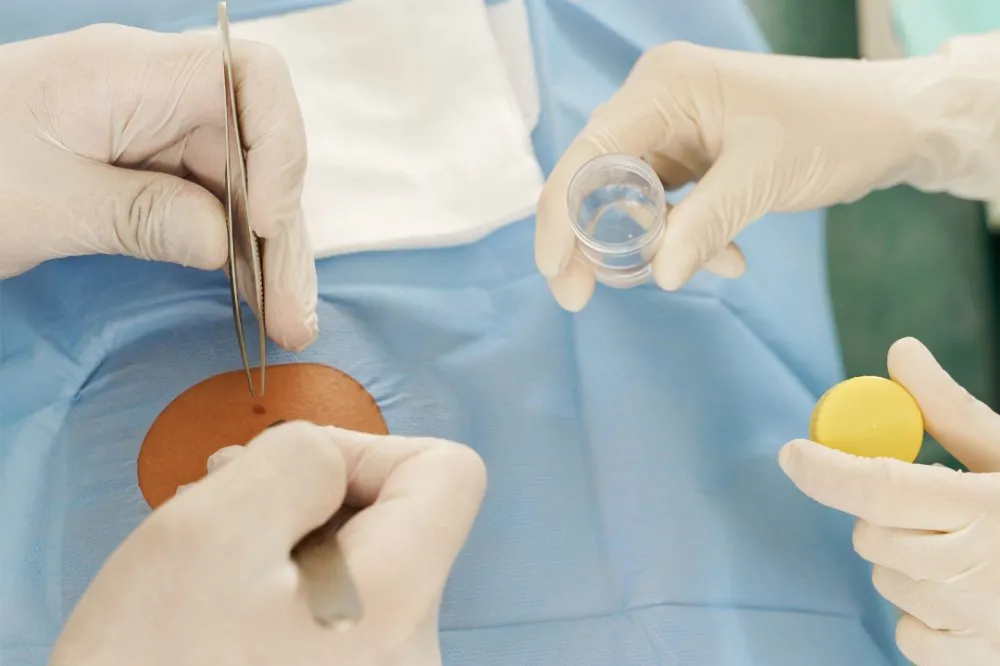
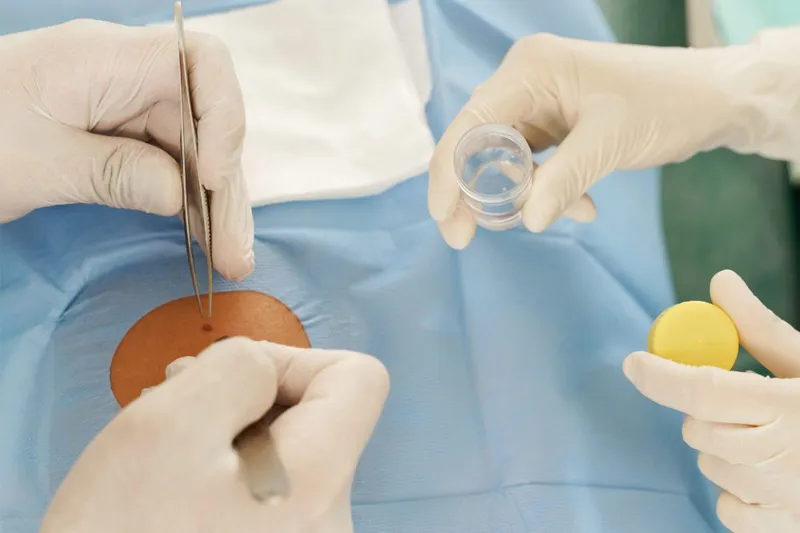
A skin biopsy is a essential diagnostic procedure that helps our dermatologists accurately identify skin conditions that cannot be diagnosed by visual examination alone. By examining skin tissue under a microscope, we can provide definitive diagnoses and develop targeted treatment plans.
Diagnostic Purposes:
Cancer Screening:
Shave Biopsy - A thin layer of skin is shaved off using a surgical blade. Ideal for superficial lesions and raised growths.
Punch Biopsy - A circular tool removes a small, cylindrical sample including deeper skin layers. Used for rashes and conditions affecting deeper tissues.
Excisional Biopsy - The entire lesion is removed along with surrounding tissue. Preferred for suspected melanomas or when complete removal is desired.
Incisional Biopsy - A portion of a larger lesion is removed for analysis. Used when the lesion is too large for complete removal.
During the Procedure: You’ll feel the initial anesthetic injection, then no pain during the biopsy itself.
After the Procedure: The site is bandaged. Mild tenderness is normal for 1-2 days.
Wound Care: Keep the area clean and dry. Follow specific instructions based on biopsy type.
Follow-up: We’ll contact you with results and schedule a consultation if needed.
Our pathologists provide detailed reports that help determine:
Procedure time: 15-30 minutes Anesthesia: Local anesthetic Results: 4-10 days for pathology report
If you have a concerning skin lesion or undiagnosed skin condition, schedule a consultation with our dermatologists to determine if a biopsy is appropriate for your situation.
The procedure is performed under local anesthesia, so you'll feel only a small pinch from the anesthetic injection. The biopsy itself is painless.
Results are typically available within 4-10 days. Our team will contact you to discuss findings and any necessary next steps.
Small biopsies usually heal with minimal or no visible scarring. Larger excisional biopsies may leave a small scar that fades over time.
Our dermatologists will discuss the findings with you in detail and recommend appropriate treatment options based on the diagnosis.