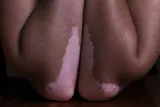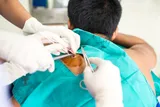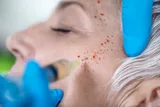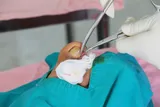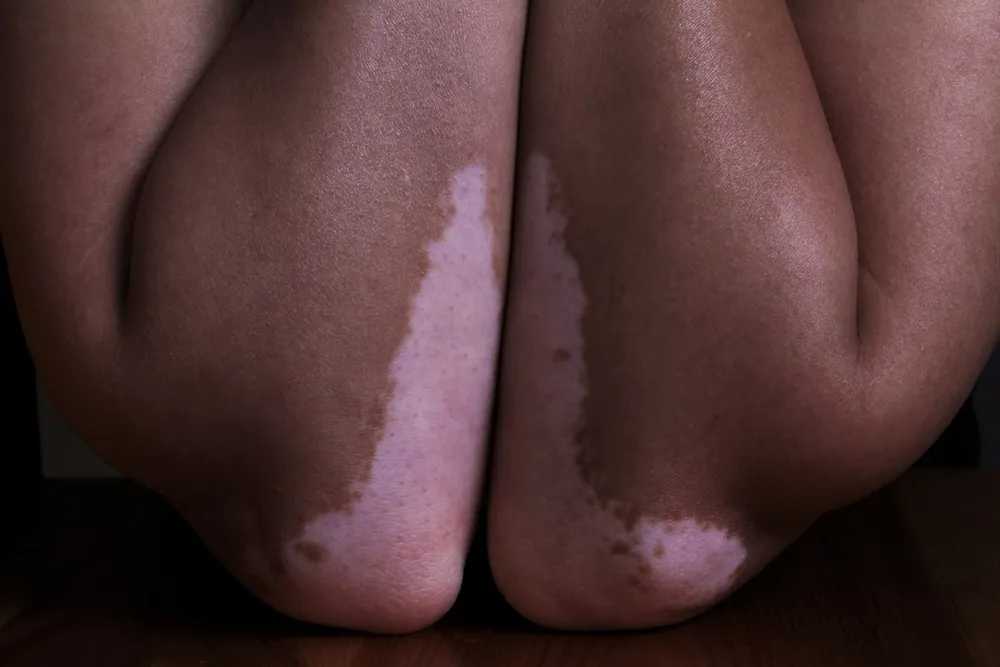
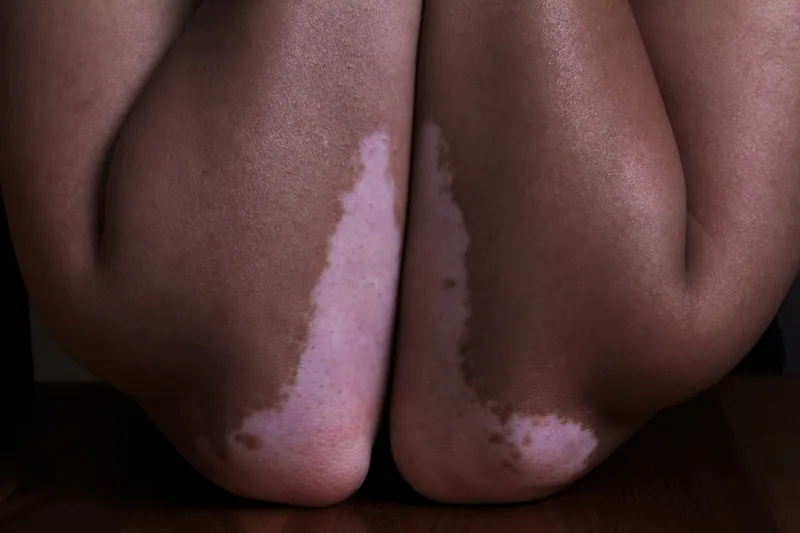
Vitiligo is a chronic skin condition where melanocytes (pigment-producing cells) are destroyed, resulting in white patches on the skin. At Sapphire Skin Clinic, we offer comprehensive vitiligo treatment options, including advanced surgical techniques for stable vitiligo that hasn’t responded to medical therapy.
Vitiligo affects approximately 1-2% of the population worldwide and occurs when the immune system attacks melanocytes. The condition can affect any area of the body but commonly appears on:
Medical Management:
Surgical Options (for stable vitiligo):
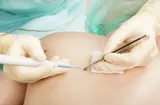
Punch Grafting - Small circular grafts from normal skin transplanted to depigmented areas
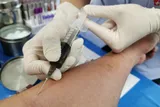
Suction Blister Grafting - Epidermis raised by suction on donor site and transferred to recipient area
Split-Thickness Skin Grafting - Thin layer of donor skin applied to prepared recipient site
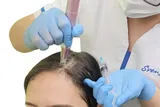
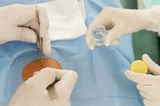
Melanocyte-Keratinocyte Transplant - Cell suspension from donor skin applied to treated recipient area
Ideal candidates for surgical treatment:
Week 1-2: Healing of donor and recipient sites Week 4-8: Initial pigmentation begins to appear Month 3-6: Progressive spread of pigmentation Post-treatment: Phototherapy may enhance results
Treatment time: 1-3 hours depending on area size Recovery: 1-2 weeks initial healing Final results: 3-6 months for complete color development
Take the first step toward restoring your natural skin color. Schedule a consultation to evaluate your vitiligo and discuss the most appropriate treatment options for your specific case.
Vitiligo grafting transplants healthy melanocytes (pigment-producing cells) from unaffected skin to vitiligo patches. Techniques include punch grafting, suction blister grafting, and melanocyte-keratinocyte transplantation.
Ideal candidates have stable vitiligo with no new patches for at least 1 year, have not responded adequately to medical treatment, and have realistic expectations about results.
Success rates range from 60-90% depending on the technique used, location treated, and individual factors. Facial areas often respond better than hands and feet.
The procedure is performed under local anesthesia, so you won't feel pain during treatment. Some discomfort at donor and recipient sites is expected during healing.
Initial pigmentation may appear within 4-8 weeks. Full results develop over 3-6 months as transplanted melanocytes multiply and spread pigment.